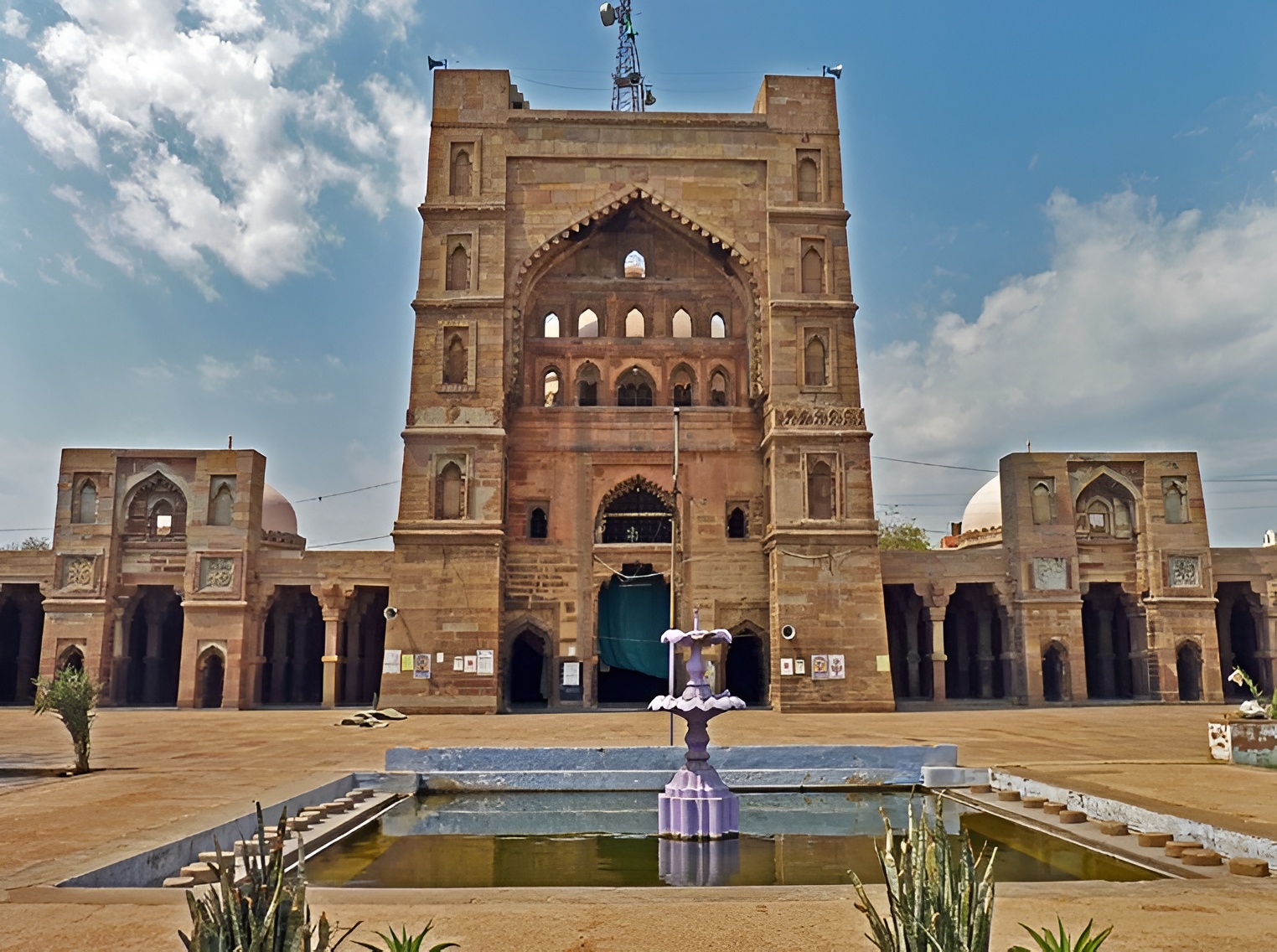
Atala Mosque
Built in 1408 during the Sharqi dynasty, Atala Mosque is a masterpiece of Indo-Islamic architecture. Its grand entrance gateway, intricate carvings, and massive prayer hall reflect Jaunpur’s rich historical legacy. The mosque stands as one of the finest examples of medieval architecture in Uttar Pradesh and attracts history enthusiasts.
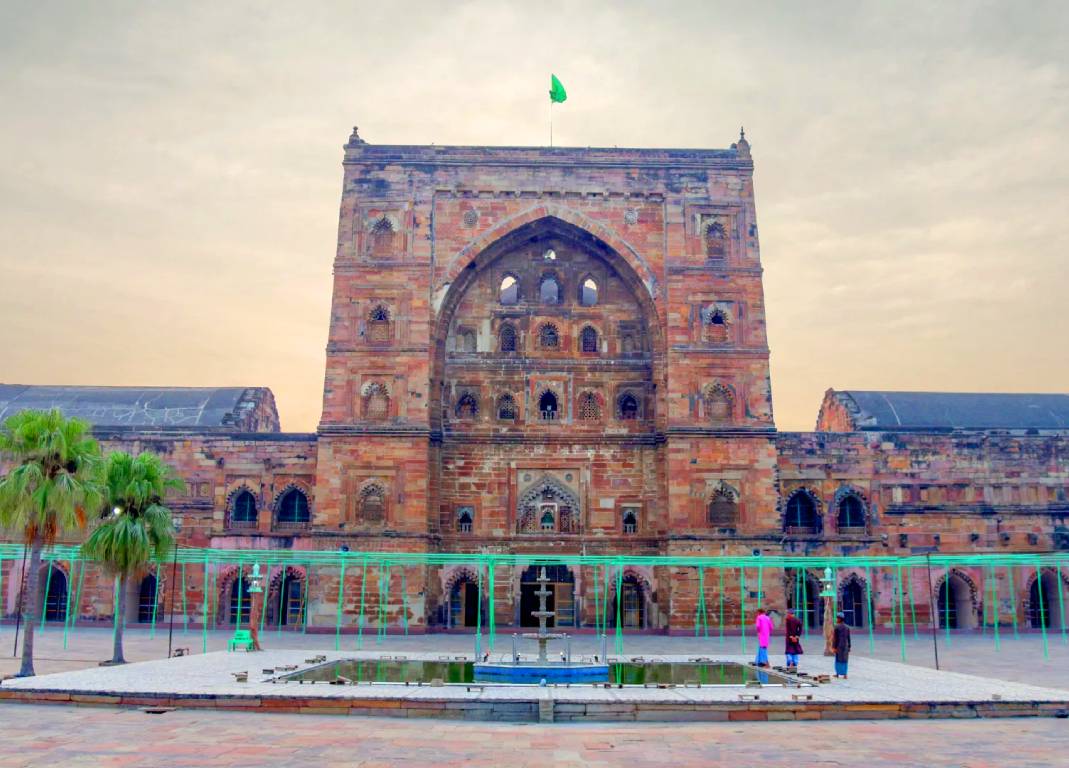
Jama Masjid Jaunpur
Jama Masjid is among the largest mosques in India, constructed in the 15th century. Known for its impressive courtyard and towering structure, the mosque beautifully showcases Sharqi architectural brilliance. Its peaceful atmosphere and historic significance make it a prominent spiritual and cultural landmark of Jaunpur.
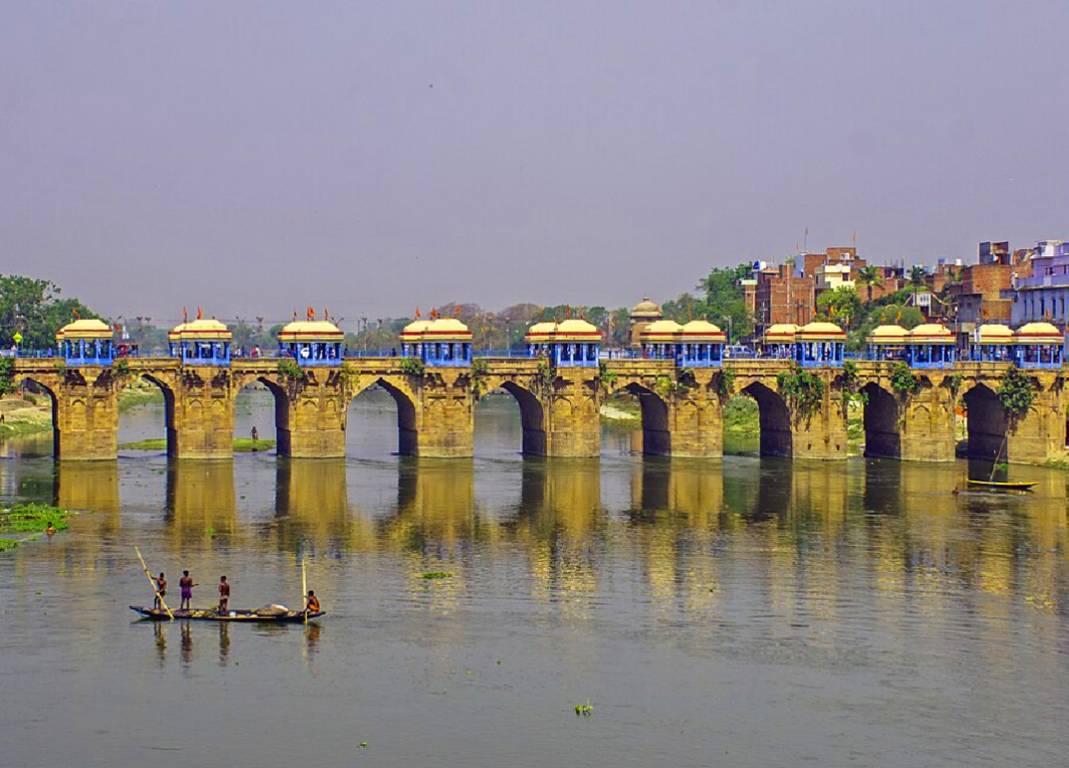
Shahi Bridge Jaunpur
Built during the Mughal era in the 16th century, Shahi Bridge stretches gracefully across the Gomti River. Designed by Afghan architect Afzal Ali, the bridge features strong stone arches and historic charm. It remains an iconic symbol of Jaunpur’s engineering excellence and heritage beauty.
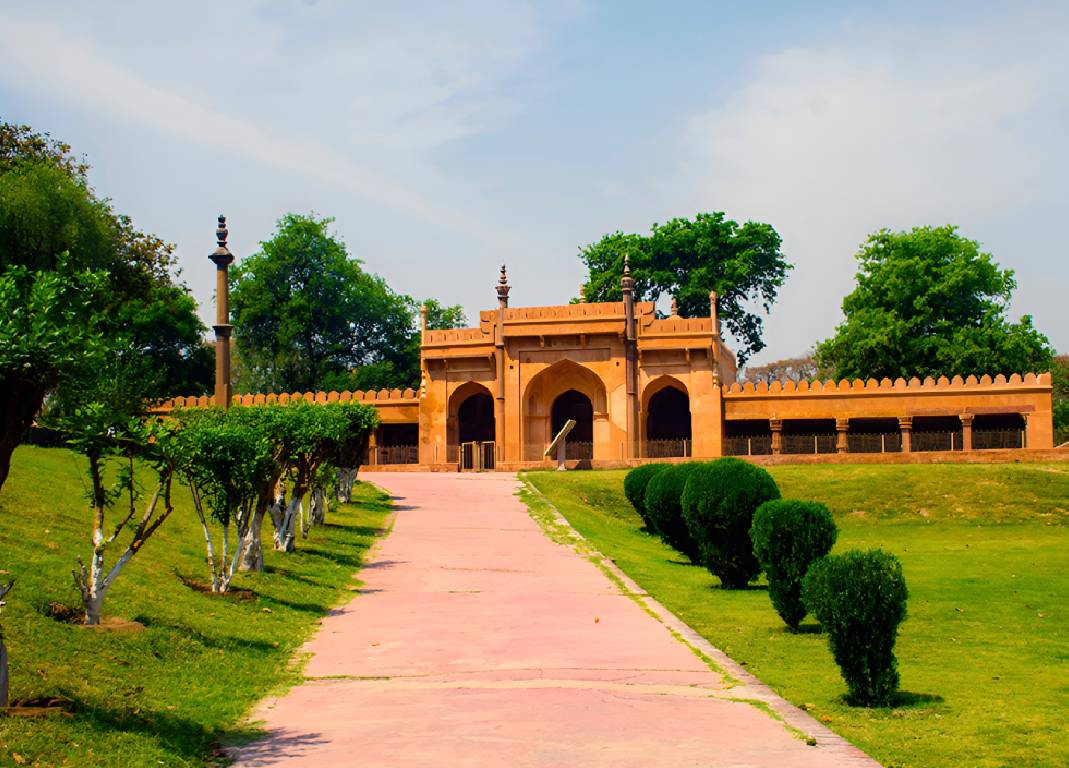
Shahi Qila Jaunpur
Also known as Jaunpur Fort, Shahi Qila was constructed by Firoz Shah Tughlaq in the 14th century. Overlooking the Gomti River, the fort’s massive gates and ruins narrate tales of royal grandeur. It offers panoramic views and stands as a significant reminder of Jaunpur’s historic past.
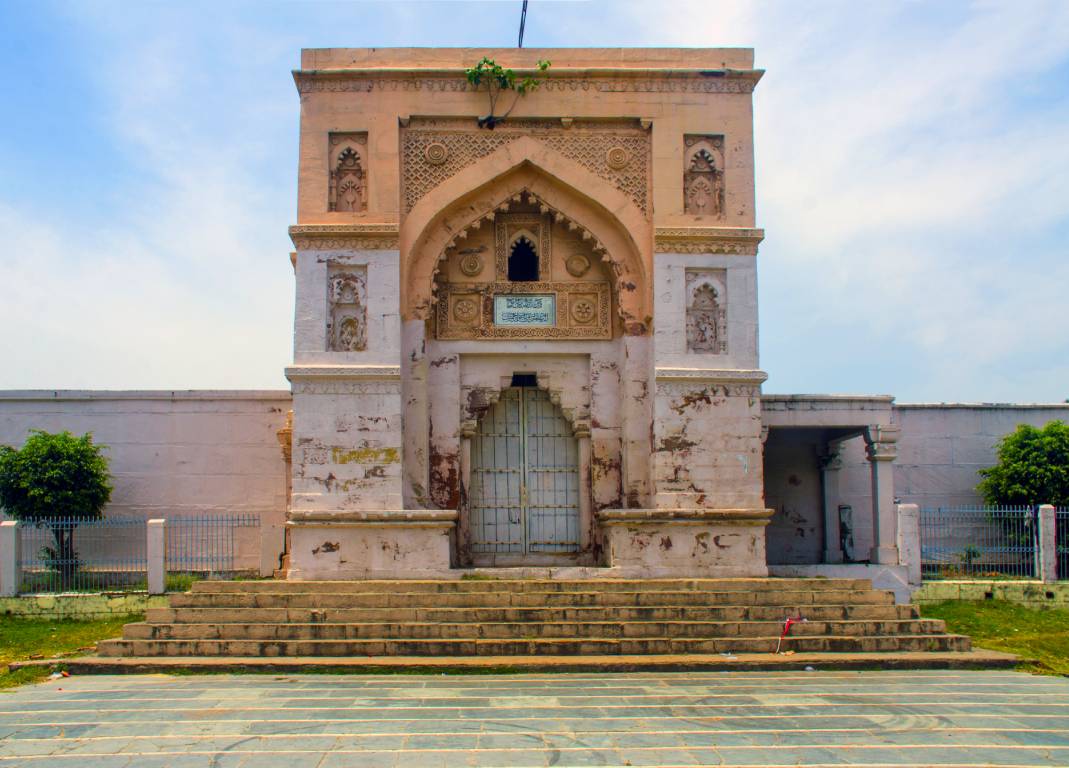
Lal Darwaza Mosque
Lal Darwaza Mosque, built in 1447, is a remarkable example of Sharqi architecture. Commissioned by Queen Bibi Rajye, it reflects spiritual devotion and artistic excellence. The mosque’s elegant structure and historical importance make it a revered religious and cultural site in Jaunpur.
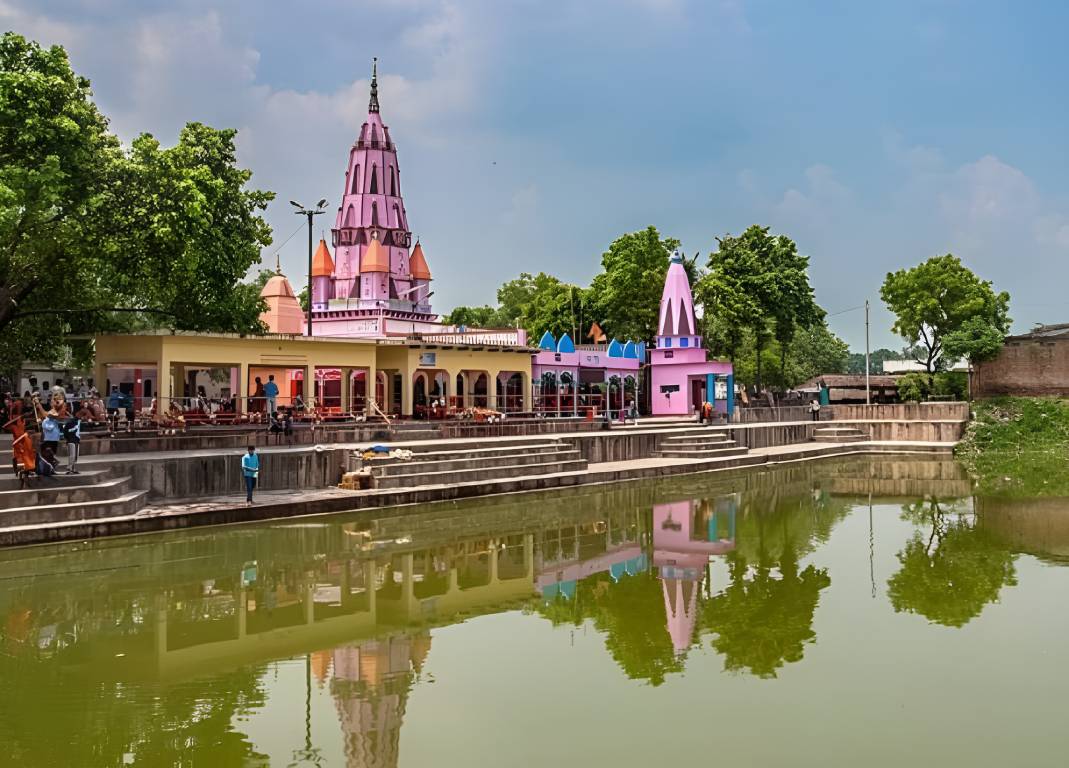
Trilochan Mahadev Temple
Trilochan Mahadev Temple is an ancient Hindu shrine dedicated to Lord Shiva. Located near the Gomti River, the temple attracts devotees throughout the year, especially during festivals. Its serene ambiance and spiritual significance make it a peaceful place for prayer and reflection.
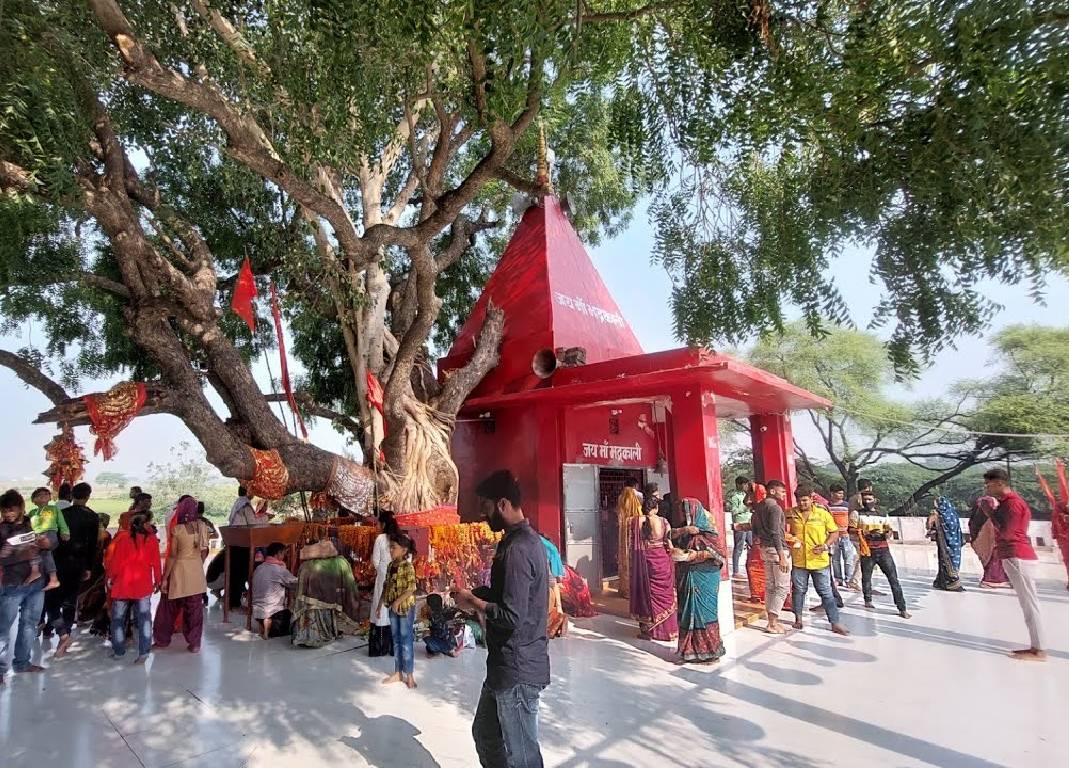
Bhadrakali Mandir
Bhadrakali Mandir is a sacred temple dedicated to Goddess Kali. Known for its spiritual atmosphere, it attracts devotees seeking blessings, protection, and prosperity. The temple plays an important role in local religious traditions and hosts special celebrations during Hindu festivals.
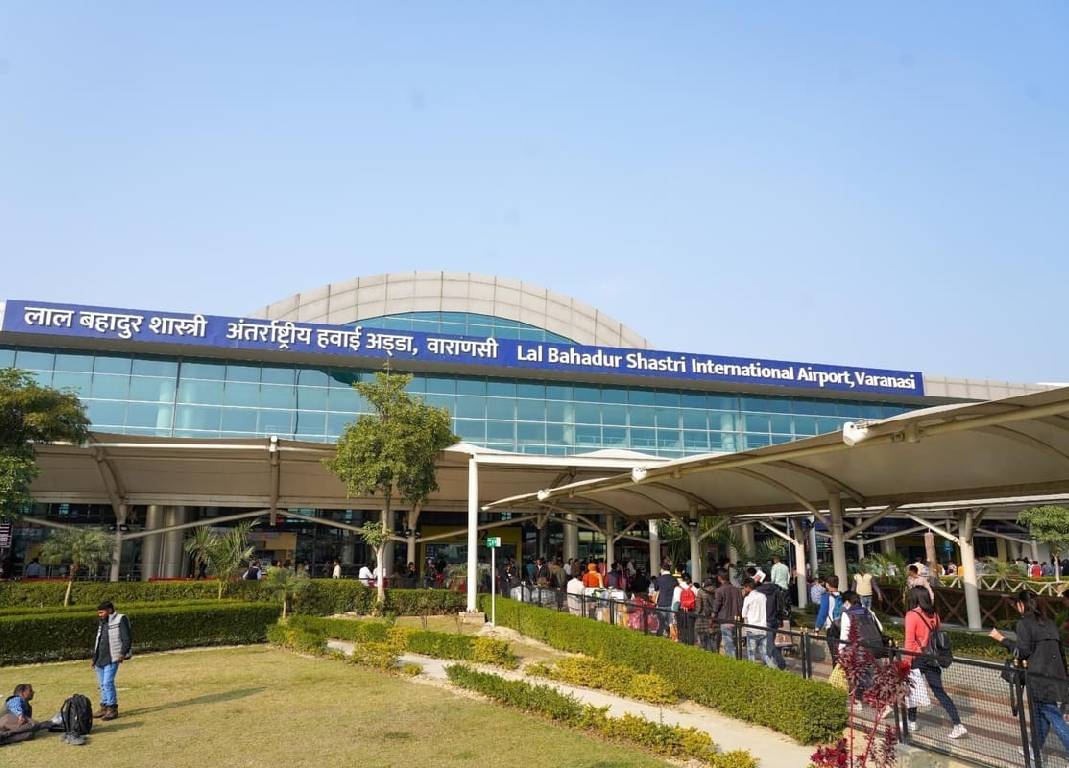
Lal Bahadur Shastri Airport
Lal Bahadur Shastri International Airport is the main air gateway to Varanasi. Named after India’s second Prime Minister, it connects the city with major domestic and international destinations, supporting tourism, business travel, and pilgrimage activities throughout the region.
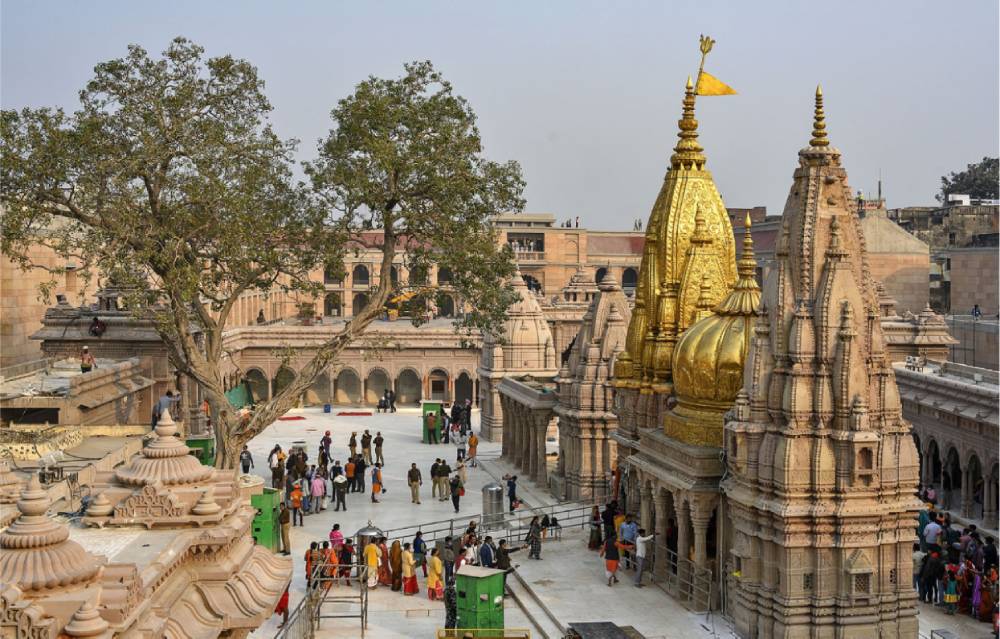
Kashi Vishwanath Temple
Kashi Vishwanath Temple, dedicated to Lord Shiva, is among Hinduism’s holiest shrines. Located in Varanasi, it is one of the twelve Jyotirlingas. Millions of devotees visit annually to offer prayers and experience its profound spiritual significance.
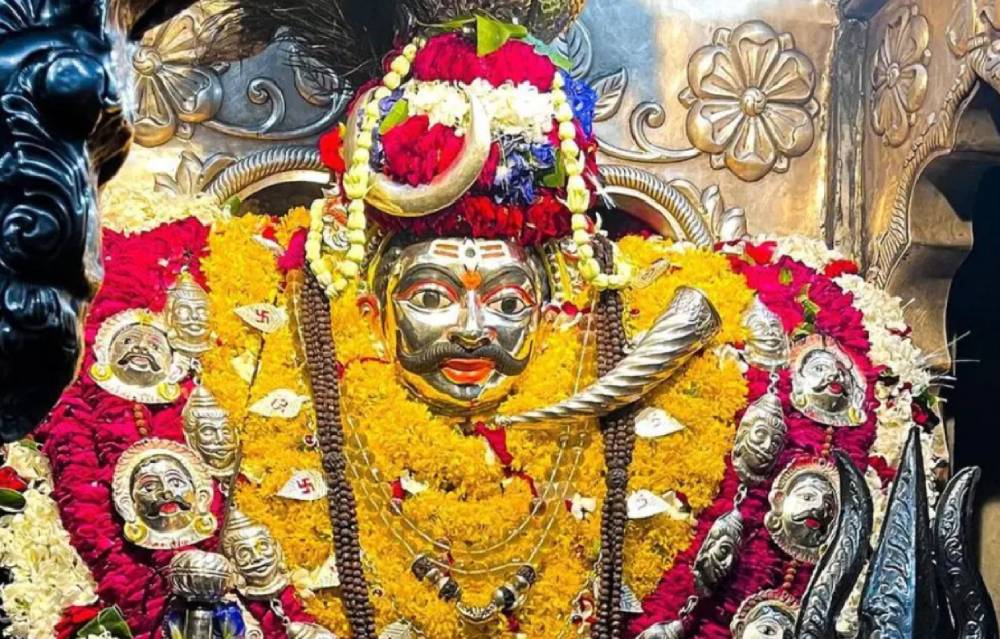
Kal Bhairav Temple
Kal Bhairav Temple is dedicated to Kal Bhairav, the guardian deity of Varanasi. Revered as a powerful form of Lord Shiva, the temple attracts devotees seeking protection, courage, and blessings. It remains an important religious landmark in the city.
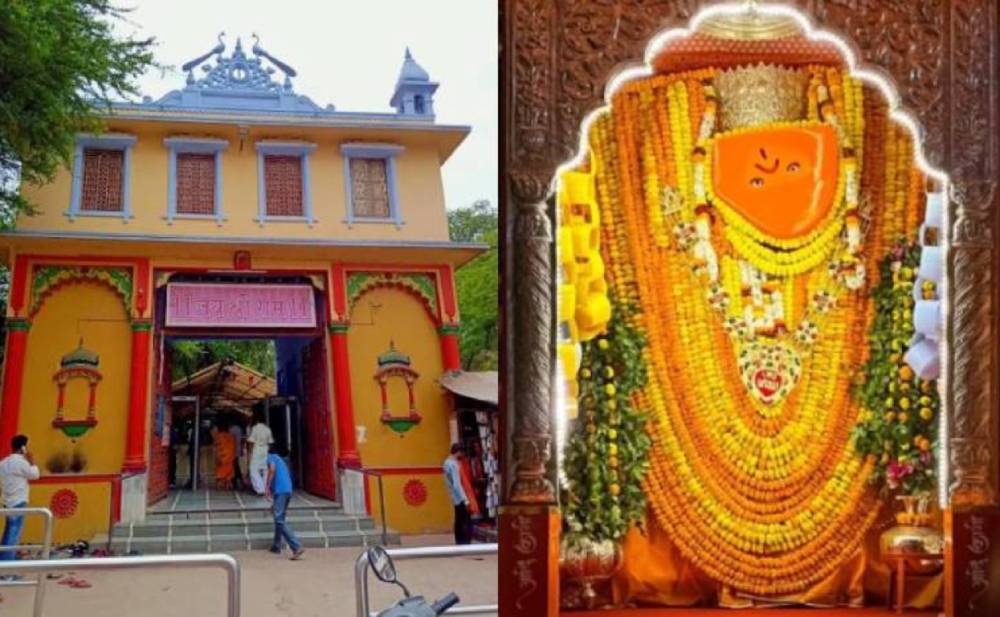
Sankat Mochan Temple
Sankat Mochan Temple is a renowned shrine dedicated to Lord Hanuman. Established by Tulsidas, it is famous for its peaceful environment and devotional activities. Devotees visit regularly to seek relief from difficulties and receive divine blessings.
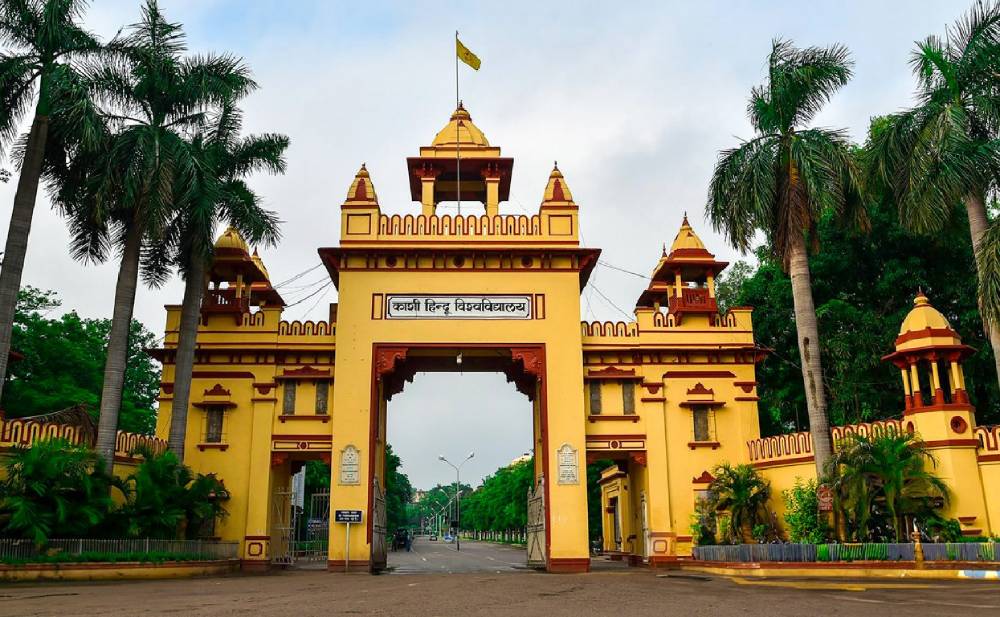
Banaras Hindu University
Banaras Hindu University, founded in 1916 by Pandit Madan Mohan Malaviya, is one of India’s leading universities. The institution offers quality education, advanced research opportunities, and a vibrant campus environment, contributing significantly to the nation’s academic development.
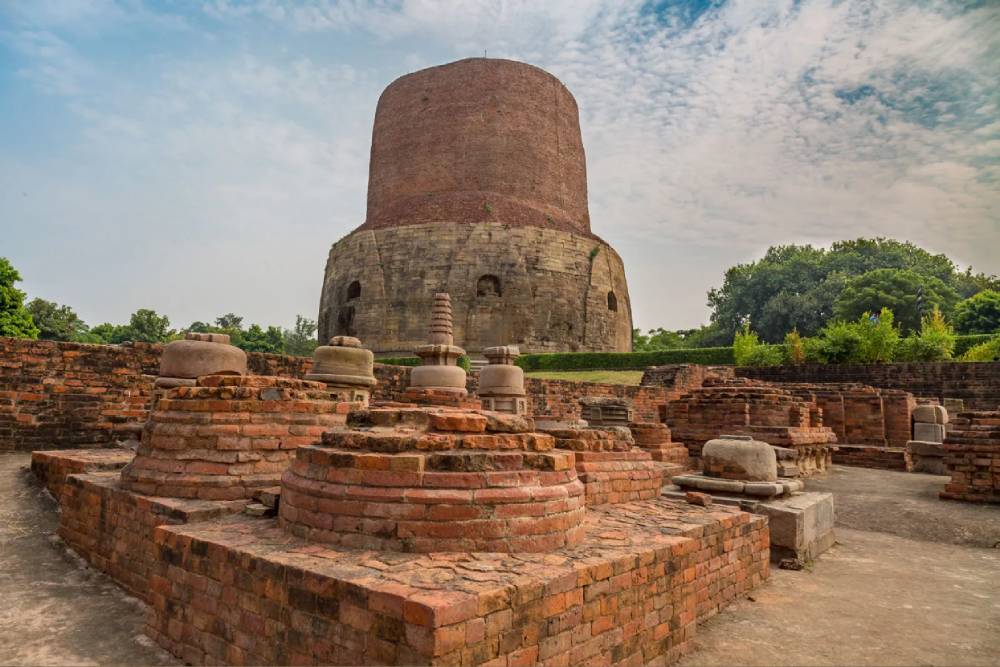
Sarnath
Sarnath is an important Buddhist pilgrimage destination near Varanasi. It is the place where Lord Buddha delivered his first sermon after enlightenment. The site contains ancient monuments, stupas, and museums, attracting visitors interested in history and spirituality.